

Emergency Safety

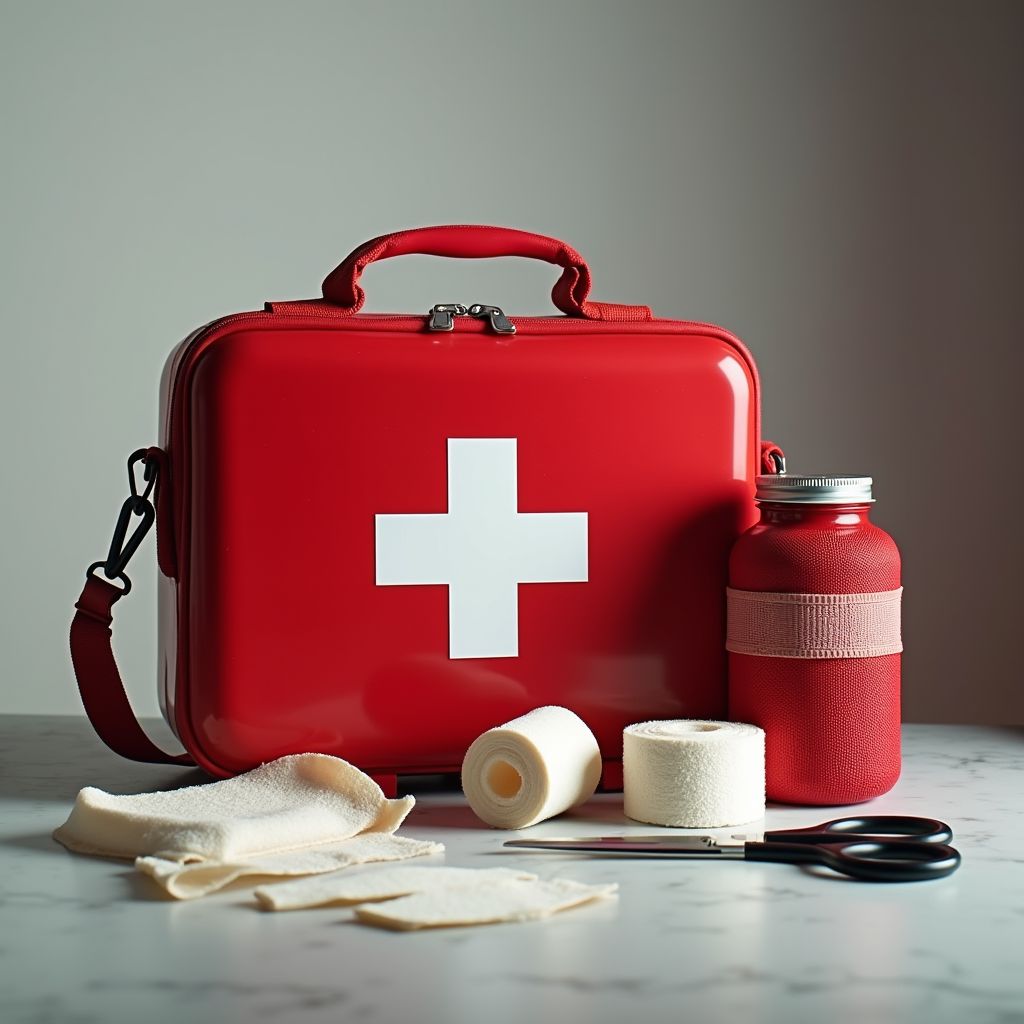
Medical Safety
Keep a basic first-aid kit and essential medicines available at home and while travelling in Chikkaballapur District. In case of illness or injury, seek immediate help from the nearest hospital or healthcare centre and contact emergency services when required. Follow medical advice carefully, remain calm, and provide timely assistance promptly.
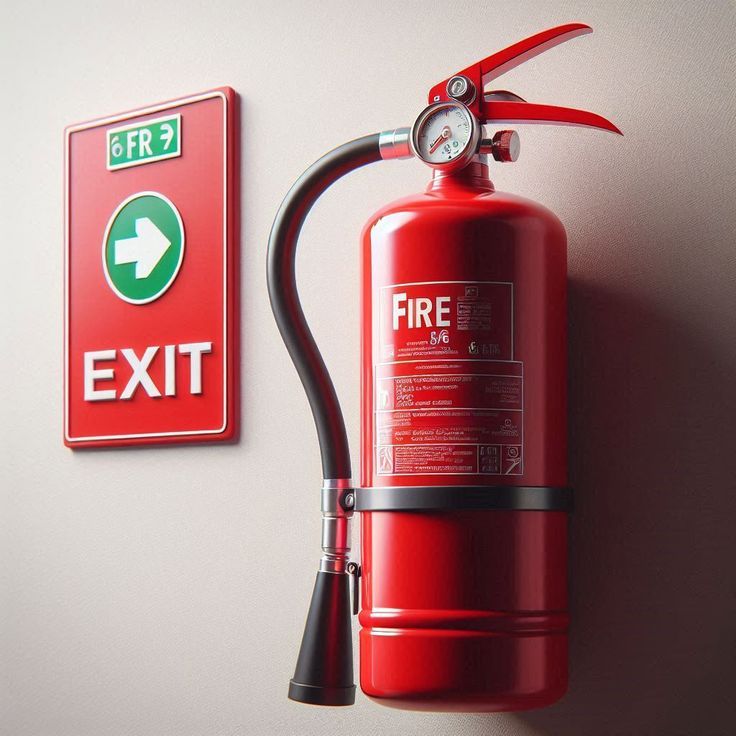
Fire Safety
Handle electrical appliances, LPG cylinders, and other flammable materials carefully. Keep fire extinguishers accessible, avoid electrical overloading, and follow evacuation procedures during a fire emergency to ensure everyone's safety and prevent injuries, property damage, and further risks to nearby people during emergencies.
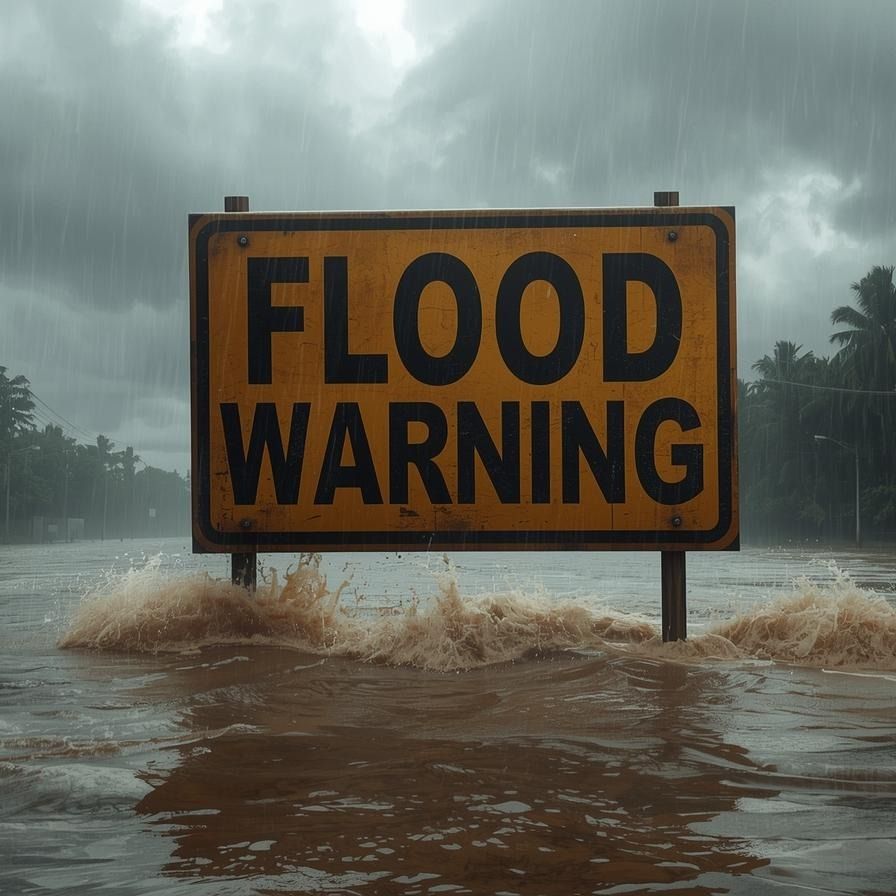
Flood Safety
During heavy monsoon rains, follow official weather alerts and avoid flooded roads, bridges, and low-lying areas. Move to safer higher ground when necessary and never attempt to cross fast-flowing water. Stay calm and follow local safety instructions at all times to protect yourself, your family, and nearby communities during emergencies.
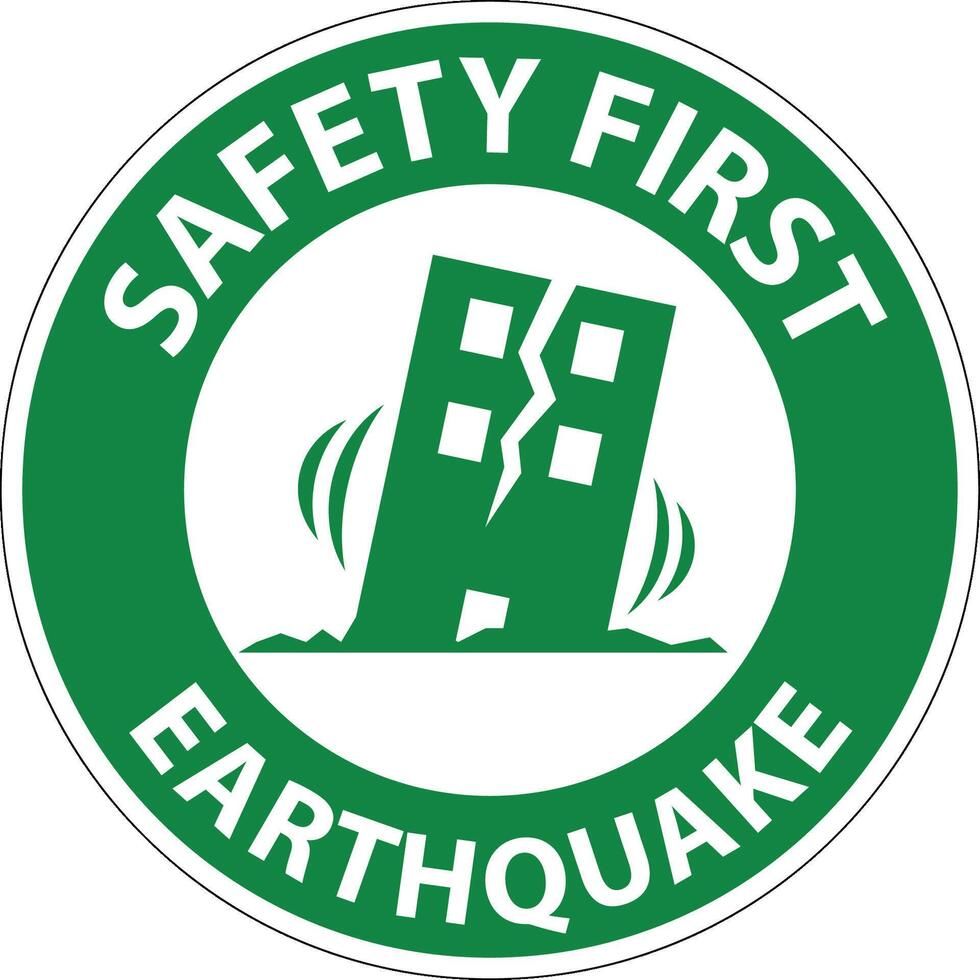
Earthquake Safety
During an earthquake, Drop, Cover, and Hold On until the shaking stops. Stay away from windows, glass, and heavy objects, and protect your head and neck. Move to an open area only after the shaking ends and when it is safe. Avoid damaged buildings, power lines, debris, and unsafe structures. Remain calm, follow official instructions, and help others when possible.
Road Safety
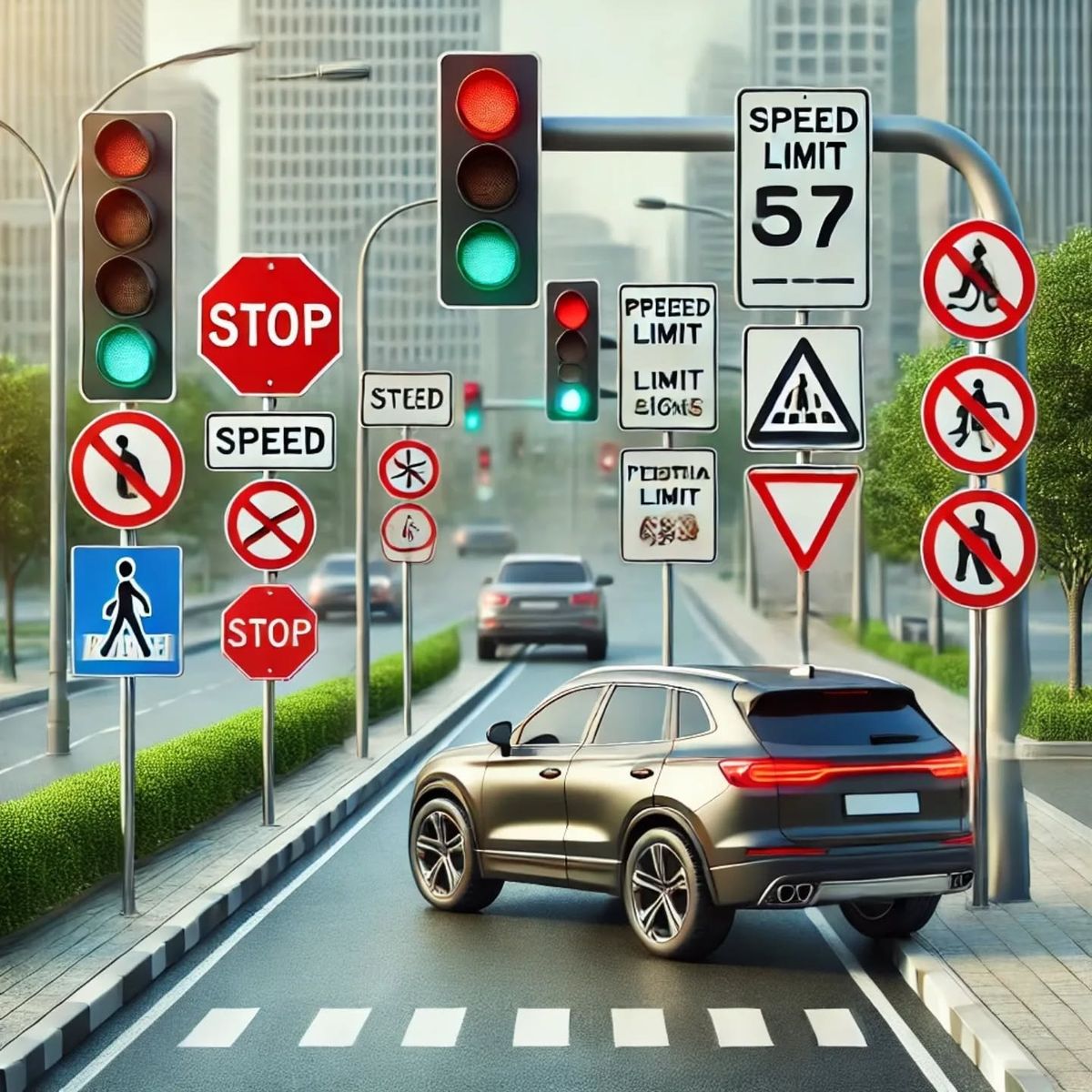
Follow traffic rules, wear helmets and seat belts, maintain speed limits, and avoid using mobile phones while driving. Stay alert on highways and rural roads across Chikkaballapur District. Drive carefully, respect road signs, maintain safe distances, and protect pedestrians, cyclists, passengers, and other road users from accidents and injuries always.

Electrical Safety
Avoid touching exposed wires or damaged electrical equipment. Switch off the power before repairs and keep electrical appliances away from water to prevent shocks, short circuits, and fires. Always use certified electricians for complex electrical work and avoid unsafe connections. Regularly inspect wiring, sockets, and switches, and replace damaged components.
Safety Guidelines – Chikkaballapur District
1. Medical Safety
- Keep a basic first-aid kit and essential medicines ready.
- Visit the nearest hospital during illness or serious injury.
- Save important emergency healthcare contacts.
2. Fire Safety
- Keep fire extinguishers easily accessible.
- Avoid overloading electrical sockets and equipment.
- Follow evacuation procedures during a fire emergency.
3. Flood Safety
- Follow official weather and flood alerts during monsoons.
- Avoid flooded roads, bridges, and low-lying areas.
- Move to higher ground and never cross fast-flowing water.
4. Earthquake Safety
- Follow Drop, Cover, and Hold On during an earthquake.
- Stay away from windows, glass, and heavy furniture.
- Move to an open area after the shaking stops.
5. Road Safety
- Always wear helmets and seat belts while travelling.
- Follow speed limits and traffic rules.
- Never use mobile phones while driving.
6. Electrical Safety
- Never touch exposed or damaged electrical wires.
- Switch off the power before carrying out repairs.
- Keep electrical appliances away from water.
Emergency Services
Disaster Management
Flood Safety – Chikkaballapur District
Do’s
- Stay updated with official weather alerts and flood warnings.
- Keep an emergency kit ready with drinking water, food, medicines, flashlight, and batteries.
- Move important documents and valuables to higher places.
- Switch off electricity and LPG supply before leaving your home, if it is safe to do so.
- Follow evacuation instructions issued by Chikkaballapur District Administration.
- Move to designated relief camps or safer locations when advised.
- Keep emergency contact numbers readily available.
- Drink only clean or boiled water after flooding.
- Help children, elderly people, and persons with disabilities during evacuation.
- Follow instructions from District Disaster Management authorities.
Don’ts
- Do not walk or drive through flooded roads or flowing water.
- Do not touch electrical wires, switches, or appliances when standing in water.
- Do not drink floodwater or contaminated water.
- Do not ignore evacuation orders or official warnings.
- Do not enter damaged buildings until authorities declare them safe.
- Do not allow children to play near floodwater, drains, canals, or water bodies.
- Do not spread unverified information or rumours.
Cyclone Safety – Chikkaballapur District
Do’s
- Monitor official weather forecasts and cyclone alerts.
- Secure doors, windows, rooftops, and loose outdoor objects.
- Keep emergency food, drinking water, medicines, batteries, and flashlights ready.
- Keep mobile phones and power banks fully charged.
- Stay indoors and away from windows during strong winds.
- Follow instructions issued by Chikkaballapur District Administration.
- Move to a safe shelter if evacuation is advised.
- Keep children and elderly persons in safe areas.
Don’ts
- Do not go outdoors during severe weather unless instructed.
- Do not stand near trees, electric poles, or damaged structures.
- Do not touch fallen electrical wires.
- Do not ignore official evacuation warnings.
- Do not spread false or unverified cyclone information.
Heat Wave Safety – Chikkaballapur District
Do’s
- Drink plenty of water throughout the day.
- Stay indoors or in shaded areas during peak afternoon heat.
- Wear lightweight, loose-fitting, light-coloured clothing.
- Use an umbrella, hat, or scarf when going outdoors.
- Check on elderly people, children, and vulnerable persons.
- Consume fresh fruits and hydrating foods.
- Follow heat-wave advisories issued by authorities.
- Take regular breaks when working outdoors.
Don’ts
- Do not stay outdoors unnecessarily during peak heat.
- Do not consume excessive caffeinated or sugary drinks.
- Do not leave children or pets inside parked vehicles.
- Do not ignore dizziness, weakness, headache, or confusion.
- Do not undertake strenuous physical activities during extreme heat.
Earthquake Safety – Chikkaballapur District
Do’s
- Stay calm and protect yourself immediately.
- Follow the Drop, Cover, and Hold On procedure during an earthquake.
- Stay away from windows, glass, and heavy objects.
- If outdoors, move away from buildings, poles, and trees.
- After the shaking stops, carefully move to a safe open area.
- Check for injured people and provide first aid if trained.
- Follow official instructions from disaster management authorities.
Don’ts
- Do not use elevators during or immediately after an earthquake.
- Do not rush toward exits while the ground is shaking.
- Do not stand near damaged buildings.
- Do not touch damaged electrical wires.
- Do not spread rumours or unverified information.
Landslide Safety – Chikkaballapur District
Do’s
- Monitor heavy rainfall and local disaster warnings.
- Stay alert in hilly and steep areas during prolonged rainfall.
- Stay away from unstable slopes and areas showing signs of soil movement.
- Move to safer locations when authorities advise evacuation.
- Keep emergency supplies ready during prolonged rainfall.
- Report cracks, soil movement, or falling rocks to local authorities.
- Keep emergency contact numbers available.
Don’ts
- Do not travel through areas affected by landslides.
- Do not approach unstable slopes or fallen debris.
- Do not stand below steep slopes during heavy rainfall.
- Do not enter damaged houses or buildings without official clearance.
- Do not ignore evacuation instructions.
Drought Safety – Chikkaballapur District
Do’s
- Use water carefully and avoid unnecessary wastage.
- Store drinking water safely for essential use.
- Follow water conservation practices at home and farms.
- Use rainwater harvesting wherever possible.
- Farmers should follow advisories on suitable crops and irrigation.
- Use efficient irrigation methods such as drip irrigation where feasible.
- Protect and maintain local water sources.
- Follow drought-related instructions issued by district authorities.
Don’ts
- Do not waste drinking water.
- Do not leave taps running unnecessarily.
- Do not pollute available water sources.
- Do not overuse groundwater.
- Do not ignore official water-use restrictions.
